VUB and VIB launch new Bio Incubator Brussels on VUB campus
Catalyst for collaboration and biotechnological innovation
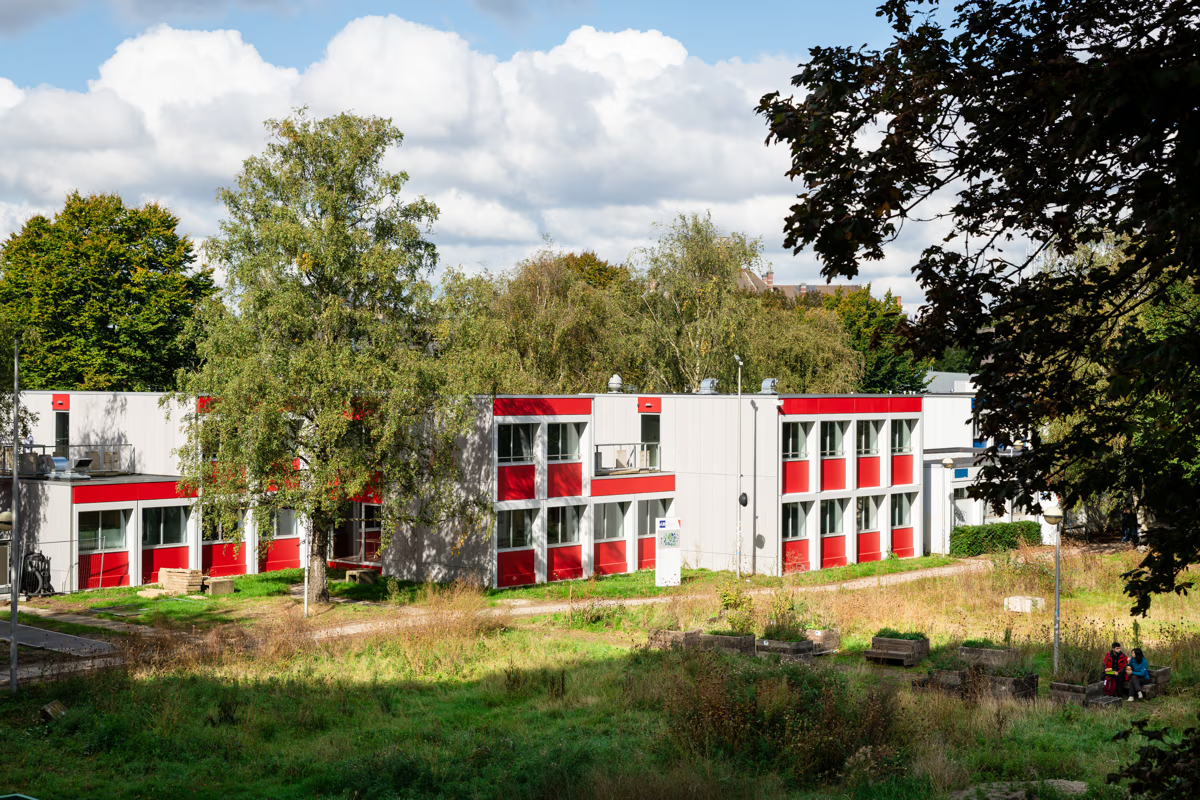
Brussels & Ghent, Belgium, 5 December 2024 - The Vrije Universiteit Brussel (VUB) and VIB have joined forces to launch the brand-new Bio Incubator Brussels (BIB) on the green VUB Main Campus in Etterbeek. This innovative hub brings together science, technology, and entrepreneurship to transform groundbreaking biotechnological advancements into new companies. Start-ups in the fields of biotechnology, pharmaceuticals, and health technology can now utilize this facility, which offers ready-to-use lab and office spaces. The VIB Nanobody Core Facility was the first to move in.
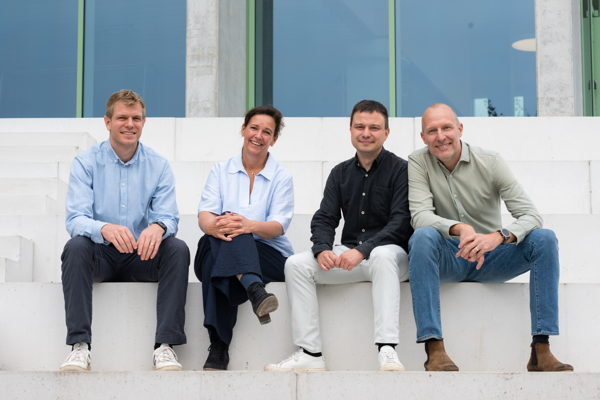
The bio-incubator was established on the initiative of and with financial support from the VIB-VUB Center for Structural Biology. This research center, led by Jan Steyaert and Han Remaut, has a strong track record of successful biotech spin-offs, such as Ablynx, Biotalys, and Confo Therapeutics.
“With this new bio-incubator, we aim to facilitate the creation of start-ups in their early stages and strengthen the link between our lab and our spin-offs,” says Prof. Jan Steyaert, Scientific Director of the VIB-VUB Center for Structural Biology.
Bridge between innovation and collaboration
The Bio Incubator Brussels offers a stimulating ecosystem for innovation and scientific collaboration. The spaces are equipped with state-of-the-art lab furniture and include shared lab facilities, modern office spaces, and a wide range of support services. These services include mentorship, networking opportunities, and direct access to academic talent and industrial partners closely associated with the university and institute.
Jan Danckaert, rector of the VUB, highlights the incubator’s importance: “The establishment of the Bio Incubator Brussels reinforces VUB’s role in translating scientific research into societal and economic applications. It is a critical platform that will shape an ecosystem for companies and scientists to collaborate on solutions and applications in life sciences and health technology that will make a difference in the near future.”
VIB Nanobody Core Facility takes the lead
The first organization to set up in the bio-incubator is the VIB Nanobody Core Facility. This facility specializes in developing nanobodies, unique antibodies used in the biomedical and pharmaceutical sectors to create new treatments.
Dr. Gholamreza Hassanzadeh Ghassabeh, head of the Nanobody Core Facility, expressed his enthusiasm: “Bio Incubator Brussels provides us with the opportunity to further develop our research on nanobodies in a stimulating environment, surrounded by experts and companies who can support our innovation process. This is a fantastic chance to link scientific progress with commercial applications that can make a real impact on healthcare.”
For more information and to arrange a visit, go to https://www.vubtechtransfer.be/bio-incubator-brussels-bib.


Contacts
David Moreels
Incubator Manager VUB
0488 66 67 95
Jan Steyaert
Scientific Director VIB-VUB Center for Structural Biology
0495 27 02 48
www.steyaertlab.be