Key lung immune cells can intensify allergic reactions
New research by scientists at VIB and UGent reveals that immune cells in the lung, long thought to protect against inflammation, can, under certain conditions, make allergic reactions such as asthma worse. Their work appears in the journal Immunity.
Alveolar macrophages are immune cells that live in the tiny air sacs of the lungs. Under normal conditions, these cells act as guardians, keeping the lungs healthy, supporting breathing, and preventing unnecessary immune responses.
However, new work led by Prof. Bart Lambrecht and Prof. Martin Guilliams (both VIB-UGent Center for Inflammation Research) shows that during allergic reactions, these macrophages can undergo a dramatic change. Instead of calming the immune system, they switch into an inflammatory mode that actively fuels allergy-driven lung inflammation.
“Alveolar macrophages have long been seen as peacekeepers in the lung,” said Stijn Verwaerde (VIB-UGent), MD, PhD student, and first author of the study. “Our results show that during allergic responses, they can do the opposite and actually help drive inflammation.”

Remodeling lungs
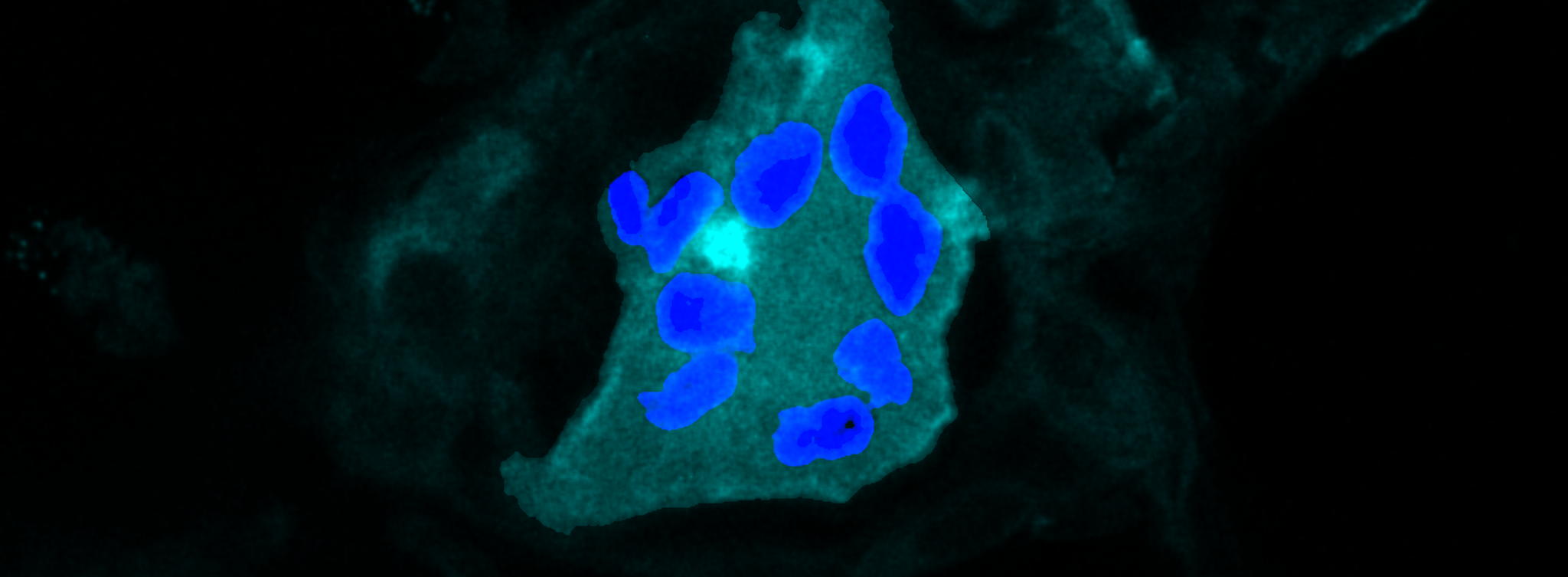
Using an advanced mouse model that allowed the researchers to precisely track and manipulate these lung cells, the team discovered that allergen exposure causes alveolar macrophages to send out signals that attract other immune cells into the lung. This influx amplifies inflammation and worsens allergic reactions. Remarkably, the macrophages were also found to fuse together into large ‘giant cells’ that change the structure of the lung tissue during allergy.
These findings challenge the long-standing view that alveolar macrophages are stable cells that resist change. Instead, the study reveals that they are surprisingly flexible and can be reprogrammed by their environment, sometimes with harmful consequences.

The discovery has important implications for understanding allergic lung diseases such as asthma. Current treatments mainly target other immune cells or inflammatory molecules. By identifying alveolar macrophages as active drivers of allergic inflammation, the study opens new avenues for research into therapies that could prevent or reverse their harmful switch, potentially reducing inflammation while preserving essential lung function.
Together, the results offer a new perspective on how allergic reactions escalate in the lung and highlight the complex, double-edged role of immune cells that are essential for health—but, under the wrong conditions, can contribute to disease.
Publication
Innate type 2 lymphocytes trigger an inflammatory switch in alveolar macrophages. Verwaerde, Hastir, et al. Immunity, 2025.
Funding
This work was supported by EOS, ERC, Ghent University, and FWO.